

Little Hulton, a prominent suburb in Greater Manchester, continues to evolve as 2025 brings change, investment, and resilience to the fore. From regeneration projects to community-led initiatives and headline-making news stories, this area’s journey captures the spirit of northern England and the challenges facing urban communities across the UK.
Major Investment Revitalises the District Centre
Little Hulton’s heart is beating stronger thanks to a £500,000 transformation project for the District Centre. This initiative, launched in February, is a partnership between Salford City Council and ForHousing, each providing £250,000. The funds, sourced partly from the UK Shared Prosperity Fund, are designed to boost local pride and breathe life into public spaces.
The improvements include new landscaping, enhanced drainage, and a complete redesign of the pedestrian square. These changes aim to make the centre more attractive and accessible for residents and visitors. According to Councillor Teresa Pepper, the area had begun to feel dated, and the successful funding campaign reflects a renewed belief in Little Hulton’s potential. “Small changes can have a big impact—safer pavements, brighter spaces, more local business footfall. This project is making Little Hulton more vibrant for everyone,” she said.
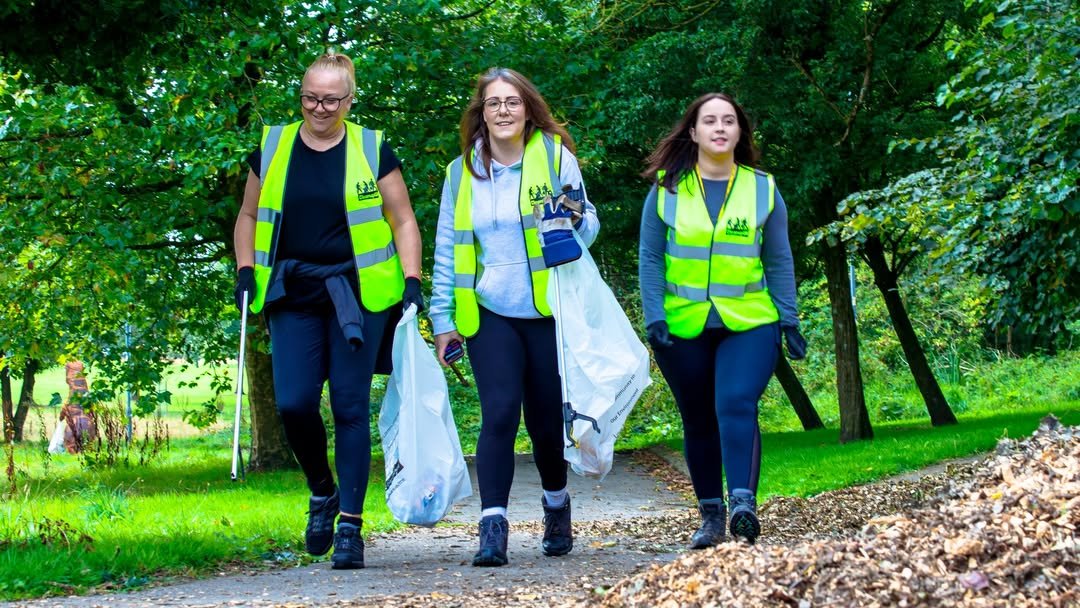
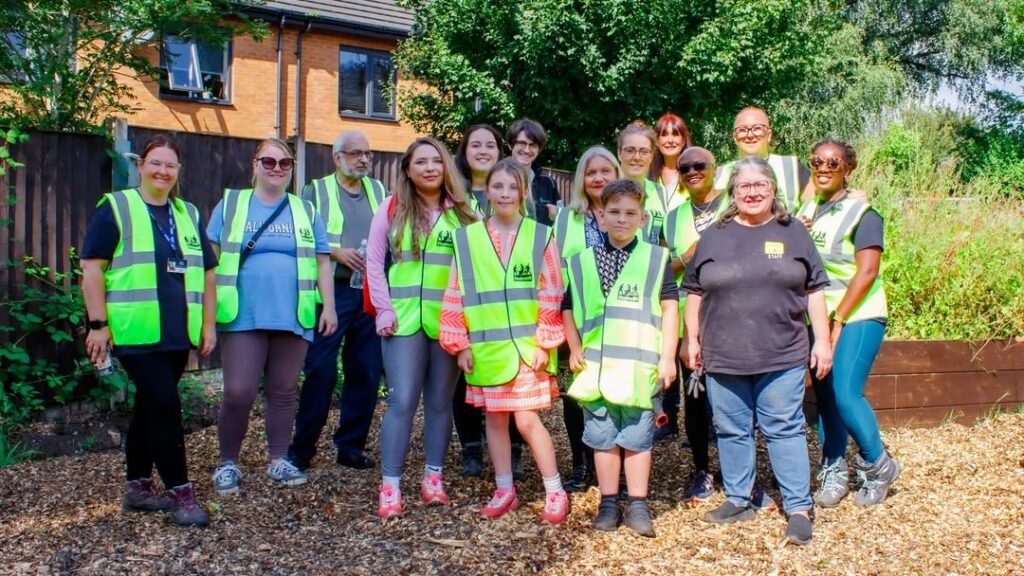
The local community is directly involved, including in events like the community planting day hosted with the Royal Horticultural Society. These activities offer residents, young and old, a chance to contribute and acquire new skills, further strengthening community bonds.
A New Community Centre Leads Green Innovation
February also saw the opening of a state-of-the-art, ultra-low carbon community building in Little Hulton’s Peel Park. Costing £950,000, the centre is among the greenest in Salford and features a park café, meeting rooms, offices, and a BMX pump track.
Constructed with significant volunteer effort, the building symbolises what can be achieved when residents and partners work together. The Mayor of Salford, Paul Dennett, attended the grand opening, calling it a “huge moment” for the area.
Alison Jones, the development manager, said the project, seven years in the making, has changed local perceptions: “Little Hulton is often forgotten, being on the edge of Salford. This centre is a tribute to those wanting to make a difference, and it gives the community a home for change for years ahead.” This sentiment was echoed by the Albert Gubay Charitable Foundation, which praised the positive pathways created for local children and young people.
Affordable Housing to Tackle Inequality
Housing is central to Salford’s vision for a fairer city, and Little Hulton is at the forefront. The City Council has green-lit plans for substantial new developments, including 177 homes on the site of the former Harrop Fold High School. Over half of these homes will be affordable and managed by Dérive, Salford’s community housing company. The scheme is the largest of its kind in Salford for 50 years and forms part of the council’s goal to provide 3,000 homes across the city in the coming decade.
At Bridgewater Street, three two-bedroom and four three-bedroom homes are under construction, alongside eight apartments for young people at risk of homelessness. The city’s Deputy Mayor, Tracy Kelly, stressed the importance of these projects: “Affordable supported accommodation is vital. The low-energy apartments for youth will help tackle homelessness and create supportive pathways into independence.” Social rent homes at around 50% of market rate will enable families and young people a chance to remain in their community and thrive.
Crime and Community Safety in the Headlines
Local news is, however, not only positive. Recent events have kept community safety at the centre of attention. In one high-profile case, Greater Manchester Police recently revealed new DNA evidence in the heartbreaking investigation of “Baby Ava,” whose remains were found on the outskirts of Little Hulton in late 2024. Detective Chief Inspector Charlotte Whalley reaffirmed the force’s commitment to solving the case, underlining how deeply it has affected the community and expressing thanks for ongoing public support and information.
Police operations have also seen successes in tackling violent crime and drug offences. A man was sentenced to eight years for violent robberies of elderly victims, and two others faced jail for drug supply.
Community Spirit: From Sports to Social Value
Despite challenges, Little Hulton’s sense of community remains strong. With investments in public amenities and initiatives to support social cohesion, such as flower planting days at local care homes, engagement continues to blossom. Sporting spirit thrives, as seen with North Walkden FC’s recent cup win and local youngsters taking on new challenges for charity and personal growth.
The council’s priorities centre around not just growth, but fairness, inclusivity, and sustainability. Community projects and new infrastructures, such as the upgraded Wharton Lane football changing rooms funded earlier this July, ensure every investment supports health and wellbeing objectives for residents.
Looking Ahead
Little Hulton is changing, shaped by its challenges and a community united in purpose. With new homes, rejuvenated public spaces, and innovative community projects, the suburb sets an example for urban renewal while holding fast to its local identity.
The commitment of local government, voluntary organisations, and everyday residents signals an exciting future. As national policies around levelling up, affordable housing, and green investment play out, Little Hulton’s journey will continue to reflect broader ambitions for a more inclusive, sustainable, and prosperous Greater Manchester.
Tackling Social Issues and Building Cohesion
Alongside these incidents, Little Hulton has seen police tackle drug offences, violent crimes, and even issue warnings following surgeries gone wrong abroad, as occurred when a woman’s death after an unregulated procedure in Turkey drew national headlines. These ongoing efforts reflect the suburb’s ongoing challenge: balancing the need for security and reassurance with the provision of services and support that address root causes of crime and vulnerability.
Conclusion:
Little Hulton continues to show both resilience and ambition as it faces the challenges of modern urban life. While crime and tragedy have tested the community, ongoing regeneration, strong local engagement, and a focus on social cohesion are driving positive change. The progress seen in 2025 is proof of a neighbourhood committed to renewal, safety, and a brighter future for all its residents.
Read More: Liverpool signs Florian Wirtz in a record-breaking deal
