

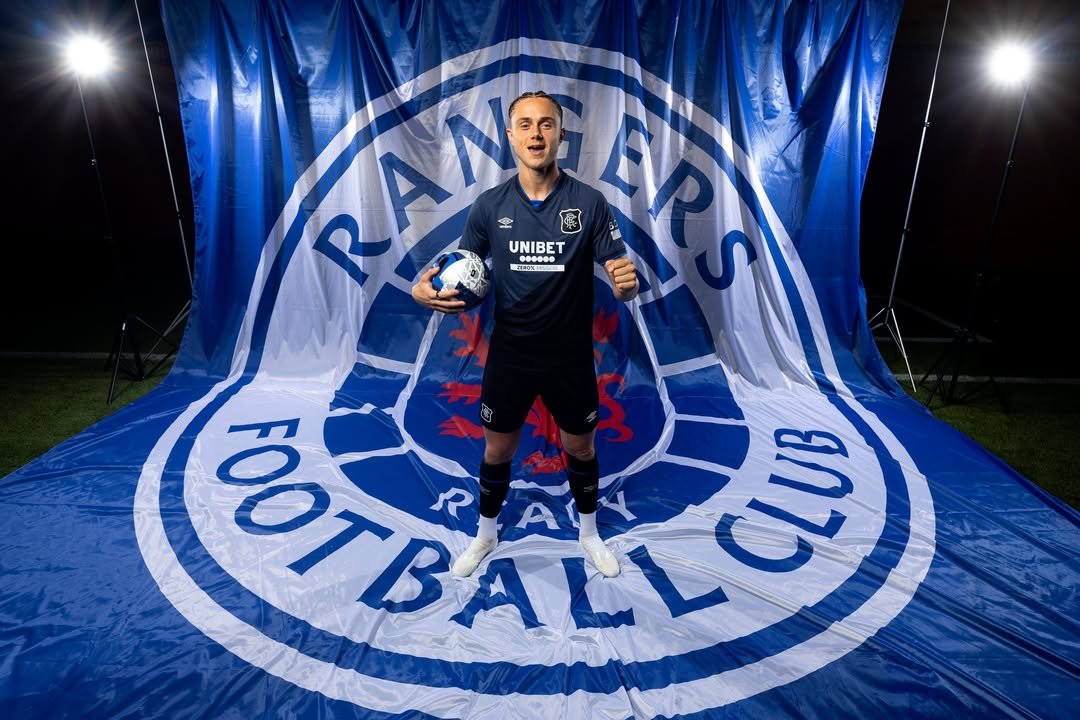
The wheels of change are turning at Ibrox. After months of speculation, intense negotiations, and meticulous due diligence, Rangers Football Club has officially entered a new phase under the control of a United States-led consortium. This landmark deal represents far more than a simple change of shareholders—it signals ambitious plans, significant investment, and fresh hope for one of Britain’s most storied football institutions.
The Takeover Unpacked
The deal, completed at the end of May 2025, hands a 51% controlling stake in Rangers to a group spearheaded by healthcare entrepreneur Andrew Cavenagh and 49ers Enterprises—best known as the investment arm of the NFL’s San Francisco 49ers and majority stakeholders in Leeds United. Following approval from the Scottish Football Association and an in-depth review, Cavenagh assumes the position of chairman, with Leeds’ Paraag Marathe named vice-chairman.
The new owners have pledged a £20m investment to bolster the playing squad and support infrastructure, with funds scheduled to be injected over the upcoming summer. This money will come through a new share issue, subject to ratification at an extraordinary general meeting. It is no secret that such financial backing is viewed as essential for Rangers to compete both domestically and in Europe, especially given the club’s recent losses.
The Financial Landscape
Rangers’ financial situation has been a key talking point over recent seasons, with accounts for the year ending June 2024 revealing a pre-tax loss of £17.1m despite record revenues of £88.3m. The club managed to reduce its wage bill from £64m to £61.2m, but lower profits from player sales and decreased European income weighed heavily. Operating expenses hit £96.2m, highlighting the need for careful stewardship and new investment if ambitions are to be realised.
Experts have noted that the club’s reliance on investor funding is unsustainable long term. Football finance analyst Kieran Maguire has pointed out that, while the 49ers group brings impressive business and sporting know-how, expectations for a financial windfall should remain restrained. Their priority, it appears, is strategic growth rather than wild spending.
Shareholder Shifts and Boardroom Renewal
The takeover not only alters the ownership structure, it brings fresh faces and expertise to the Rangers board. Chairman Cavenagh and vice-chairman Marathe are joined by business leaders such as Mark Taber, Andrew Clayton and Gene Schneur. In turn, several longstanding board members are stepping away, while chief executive Patrick Stewart and others remain to provide continuity.
This shake-up is intended to blend stability with new ideas. Word from within is that the consortium values Rangers’ heritage but is eager to professionalise and modernise club operations—especially around player recruitment and commercial growth.

A Fresh Strategic Vision
Rangers’ new leadership has set out its stall: returning the club to the peak of Scottish football, delivering on-pitch results, and forging a pathway to sustainable growth. Cavenagh has stressed, “This club’s history and traditions speak for themselves, but history doesn’t win matches. The true way to honour the club’s heritage will be to drive performance”.
Key to this strategy is finding the right head coach and revamping the squad. Former Real Madrid assistant Davide Ancelotti and ex-Southampton boss Russell Martin have both featured in speculation, with an appointment expected soon. Everton’s Kevin Thelwell arrives as new sporting director to oversee recruitment and development, while technical director Dan Purdy has been tasked with modernising talent identification.
The 49ers’ reputation for shrewd player trading and club development, demonstrated at Leeds United, will be highly relevant at Ibrox. However, the challenge in Glasgow is nuanced—Rangers fans expect silverware every season. Former striker Rory Loy warned the club must “strike a balance” between signing players for future profit and bringing in instant-impact talent.
What Does the Future Hold?
Experts agree that the new era presents both great opportunity and significant risk. With substantial investment, improved structures, and fresh thinking at board level, there is cautious optimism that Rangers can bridge the gap to rivals Celtic and re-establish themselves as regular Champions League contenders.
However, challenges remain. Heavy financial losses, wage pressures, and Scotland’s precarious UEFA coefficient mean careful planning will be vital. The new board has already flagged a reduced transfer spend and more modest budgeting, particularly with the risk of missing out on European windfalls.
Who’s Steering the Ship?
Chairman Andrew Cavenagh brings experience from the US healthcare sector, having co-founded ParetoHealth, which manages around £5.2bn in assets. Paraag Marathe, also vice-chairman at Leeds United and president of 49ers Enterprises, takes up the vice-chair role at Ibrox. Supporting them are new board members, including Mark Taber, Andrew Clayton, and Gene Schneur, while a number of longstanding directors step aside to facilitate boardroom renewal.
This leadership change marks a blend of British and US business expertise. The consortium’s stated aim is to respect the heritage and unique atmosphere of Ibrox while moving club operations to a more professional, commercially viable model.
Transfer Budget and Squad Building Ambitions
Much of the £20m investment is destined for football operations, but the new board have kept the details of the transfer budget opaque. Football finance experts point out that, while the sum is considerable in Scottish football, it lags behind what rivals Celtic can commit to squad-building—especially given the latter’s Champions League earnings and cash reserves. This means Rangers will need to be highly strategic, focusing on sustainable signings and smart player trading, rather than expensive big-name buys.
The process of squad rebuilding has already begun, under new head coach Russell Martin and sporting director Kevin Thelwell, who arrives from Everton. Technical director Dan Purdy, another new face, has a brief to modernise the club’s talent-spotting and recruitment processes.
Conclusion:
The Rangers takeover, led by Cavenagh and backed by the might of the 49ers Enterprises, is a watershed moment for the blue half of Glasgow. More than fresh investment, this is about smart leadership, strategic vision, and a deep respect for what makes Rangers special. The coming months will be pivotal as the new owners work to honour the club’s great history while building a sustainable future. Supporters, meanwhile, wait with bated breath to see where the latest American dream will take this fabled institution.
Read More: Rangers’ 2025/26 Season Fixtures
