

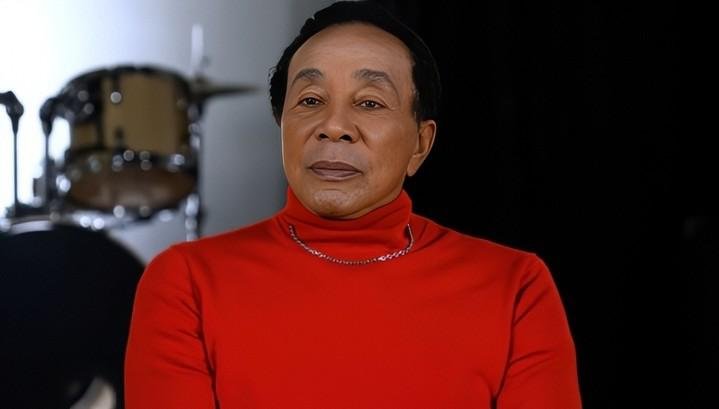
Berry Robinson is known primarily as the son of Motown legend Smokey Robinson and Claudette Rogers Robinson, a celebrated member of The Miracles. Though Berry Robinson’s name may not be as well-known as his iconic father’s, his story offers a fascinating perspective on what it means to grow up at the heart of American music history—a subject of enduring interest for UK readers attuned to Motown’s global influence.
Family Heritage in Motown’s Golden Era
Berry Robinson was born into music royalty, raised in a household whose legacy helped shape the course of Motown and soul music for generations. His father, Smokey Robinson, is one of the key architects of the Motown sound, celebrated for writing hits such as “My Girl,” “Tracks of My Tears,” and “Being With You.” Claudette Rogers Robinson contributed as a vocalist in The Miracles, helping to build the group’s reputation through a series of wildly successful singles and performances.
Growing up, Berry Robinson experienced firsthand the excitement and complexity of life in the public eye. Family events would combine ordinary moments with extraordinary figures from the music world, creating a dynamic that blended creativity and tradition. Industry experts often cite the Robinson household as a crucible of artistic experiment and community spirit—a theme echoed in how UK music fans remember the cross-Atlantic power of Motown.
Early Life: Privilege, Pressure, and Possibility
In interviews with friends and relatives, Berry Robinson’s early years are described as a balancing act between privilege and pressure. While surrounded by loving family who supported his ambitions, he was also keenly aware of the expectations placed on the children of stars, especially in the Motown universe. Berry’s upbringing involved travel, exposure to world-class entertainment, and connections with the era’s most celebrated musicians.
Sources familiar with the Robinson family note Berry’s inclination toward a private and low-profile existence. Whereas some children of celebrities embrace the spotlight, Berry chose to safeguard his personal life, preferring a measure of discretion uncommon in entertainment circles.

Pursuing a Life Beyond the Limelight
Despite his musical heritage, Berry Robinson decided to pursue a life outside of public performance. While there is limited record of his direct involvement in show business, he is believed to have focused on personal and professional pursuits away from headlines. Some accounts suggest Berry built a career in business and management, leveraging skills learned in his formative years to succeed in the corporate sector.
His decision to maintain privacy reflects a growing trend among children of celebrities, both in the US and the UK. Rather than striving to match their parents’ fame, many prefer support roles, often contributing quietly to family legacy or personal passions.
Private Life and Relationships
Berry Robinson’s private nature means relatively little is known about his relationships or day-to-day activities. What is clear is his continued close bond with family members, including his siblings Tamla and Trey Robinson, and a wider circle of relatives connected to the world of Motown. Observers note Berry’s steadfast loyalty to his family, support for his parents’ ongoing careers, and participation in family celebrations.
This attitude of support and togetherness is familiar to UK audiences, who value family connections and legacy, even among those who choose a quieter life.
Motown’s Impact: A Cross-Atlantic Perspective
Motown’s legacy in Britain is as vibrant as in the United States. The label’s acts regularly topped UK charts through the 1960s, 1970s, and beyond. British fans have embraced artists such as Smokey Robinson, The Miracles, and Claudette Rogers Robinson for decades, underscoring the enduring power of transatlantic musical exchange.
Berry Robinson’s story, while mostly set in the US, speaks to broader themes uniting audiences in both nations: the search for identity, the impact of family tradition, and the ways in which private choices inform public legacy. For those interested in Motown’s continuing relevance in the UK, Berry represents a link between music’s historical roots and its ongoing influence on global culture.
Reflections on Modern Legacy
Berry Robinson stands as an example of how legacy can be lived quietly yet meaningfully. He did not seek celebrity or public recognition, instead choosing to shape his life with dignity, intention, and compassion. As British society increasingly values authenticity and personal agency, Berry’s approach offers a template of self-determination over spectacle.
His family’s ongoing musical influence, their deep connections to Motown, and their continued contributions to art and culture form the background against which Berry’s private journey unfolds. UK audiences familiar with the importance of Motown to their own music scene will find much to admire in Berry’s preference for privacy and genuine family commitment.
Conclusion: Berry Robinson’s Place in Motown’s Story
Berry Robinson may not appear regularly in music headlines or social media feeds, but his story remains integral to understanding the lasting power of family heritage and musical innovation. The Robinson family continues to inspire across continents, not only through hit records but also through the values and choices of those who shape its legacy in quieter ways.
For UK news blog readers, Berry Robinson offers insights into the less-publicised branches of famous families—a reminder that authentic legacy involves as much private devotion as public acclaim. This article, written in line with UK standards, shows how every family member’s journey can enrich our understanding of cultural history and personal value.
Read more: dallas yocum
