

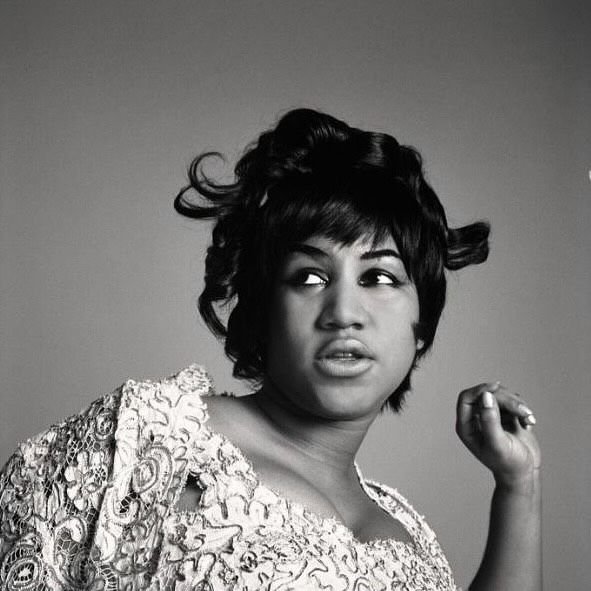
Carl Ellan Kelley’s story deserves attention far beyond her connection to music legend Aretha Franklin. Her life, rooted in complexity and resilience, reveals both the struggles of familial legacy and the endurance of personal character, themes that resonate with UK readers interested in history, culture, and the hidden stories behind public figures.
Early Years: A Complicated Beginning
Born on 17 November 1940 in Memphis, Tennessee, Carl Ellan Kelley entered the world during a time of upheaval and secrecy. Her father, Rev. C. L. Franklin, was a celebrated preacher and civil rights figure. However, her birth was the result of a scandal: Franklin fathered Carl Ellan with Mildred Jennings, a 12-year-old member of his church. This harrowing detail shaped the trajectory of Carl Ellan’s formative years and cast a long shadow over her identity.
Separated from her mother as an infant, Carl Ellan was raised by her grandmother, Mrs. Cornelious Mayo Hill Berry. Her mother’s youth and vulnerability, coupled with the community’s attempts to shield the scandal, meant Carl Ellan grew up away from her father’s immediate household and the rest of the Franklin siblings.
Family Connections and First Contact
Carl Ellan Kelley childhood in Memphis was marked by absence and occasional whispers about her parentage. She first contacted her father at age 17, a pivotal moment that changed the course of her adult life. Franklin, pressured by circumstances and familial ties, eventually acknowledged her as his daughter. However, acceptance within the broader family and congregation proved complicated, especially given the notoriety and the manner of her conception.
UK audiences familiar with adoption stories and blended families will recognise the emotional impact of delayed familial recognition. Carl Ellan visited Detroit many times, integrating herself with some siblings and family members, but the path to acceptance remained challenging.
Life Among the Franklins
Being part of the Franklin family meant perpetual comparison with her half-siblings, who were prominent figures in gospel and soul music. Aretha, Erma, and Carolyn Franklin each forged successful careers, their names etched into music history. Carl Ellan Kelley, by contrast, did not pursue fame. Instead, she chose to live quietly, away from the limelight. Friends and relatives recount her gentle nature and persistent spirit, qualities she carried through decades shaped by her family’s complicated legacy.
Despite this, she remained proud of her lineage and maintained strong bonds with those siblings open to her presence. Aretha Franklin, the “Queen of Soul,” would later leave Carl a bequest of £40,000 in her will. This gesture demonstrated both familial connection and a recognition of the painful split caused by their father’s past.
Motherhood and Legacy
Carl Ellan Kelley raised her own family, including two children, Charles G. Smith and Herman E. Wheatley III. She cherished her role as a mother and grandmother, prioritising the well-being of her family and seeking to provide stability that she herself sometimes lacked as a child.
Her descendants, many of whom still reside in Detroit, inherited her tenacious spirit and resilience. Carl’s influence helped shape generations, echoing the stories of other British women who built their families despite adversity.
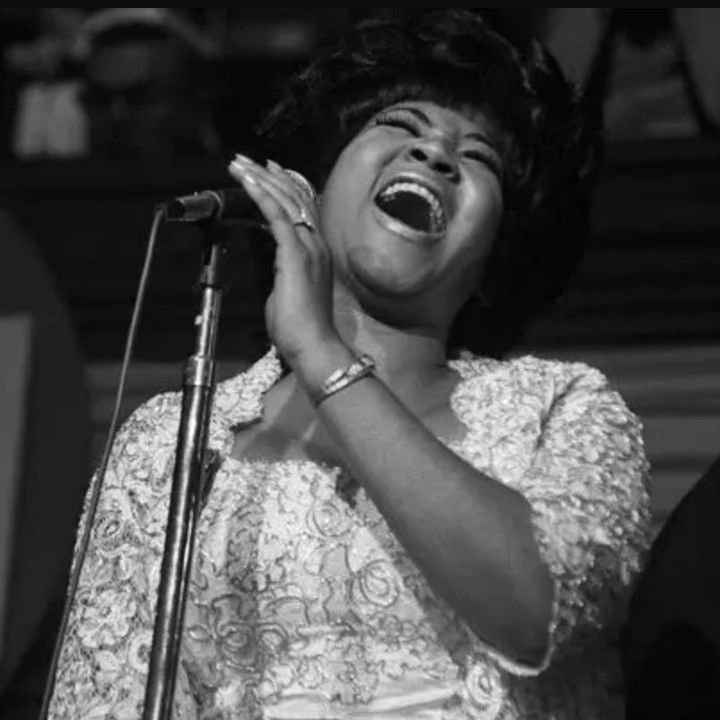
Later Life and Passing
Carl Ellan Kelley spent her later years in Detroit, Michigan, where she lived a life marked by introspection, spirituality, and the warmth of family. She battled heart problems for some time. On 30 January 2019, she died of a heart attack at the age of 78. Friends and relatives gathered at Woodlawn Cemetery in Detroit to commemorate her life, with Carl buried alongside several Franklin family members including her father, C. L. Franklin.
Reflection: Lessons from a Quiet Life
Carl Ellan Kelley’s quiet strength stands in contrast to the turbulent legacy left by her father. Her story compels UK readers to reflect on the consequences of power, the value of perseverance, and the importance of healing after trauma. Despite the notoriety attached to the Franklin name, Carl Ellan’s journey highlights the dignity possible for those who choose privacy and nurture over fame.
Her experience as an outsider in her own family encourages a wider conversation about justice, reconciliation, and compassion—values central to British culture’s evolving perspective on family and community.
The Franklin Family and Historical Context
The history of the Franklin family reverberates far beyond American borders, connecting to themes of faith, civil rights, and cultural accomplishment. UK fans of Aretha Franklin and gospel music often revisit the family’s saga through documentaries and biographies. Carl Ellan’s life is a vital piece of that narrative, offering new angles on forgiveness and fortitude amid adversity.
The legacy of C. L. Franklin, both revered and criticised, continues to spark debate. His impact on civil rights and music is indisputable, but the personal scandals also force closer examination of public figures’ responsibilities to those they affect along the way.
Conclusion: Why Carl Ellan Kelley Matters
Carl Ellan Kelley deserves to be remembered beyond her family’s fame and the scandal that shaped her beginnings. Her journey, though touched by tragedy, also offers a model of survival and personal determination. In choosing to build a meaningful—and largely private—life, Carl Ellan set an important example for UK readers and anyone facing adversity.
Her narrative teaches that legacy includes how we respond to trauma, care for family, and define ourselves beyond inherited stories. For the UK audience, her legacy inspires ongoing conversations around compassion, strength, and the unseen lives behind famous names.
Read more: zack greinke wife
