

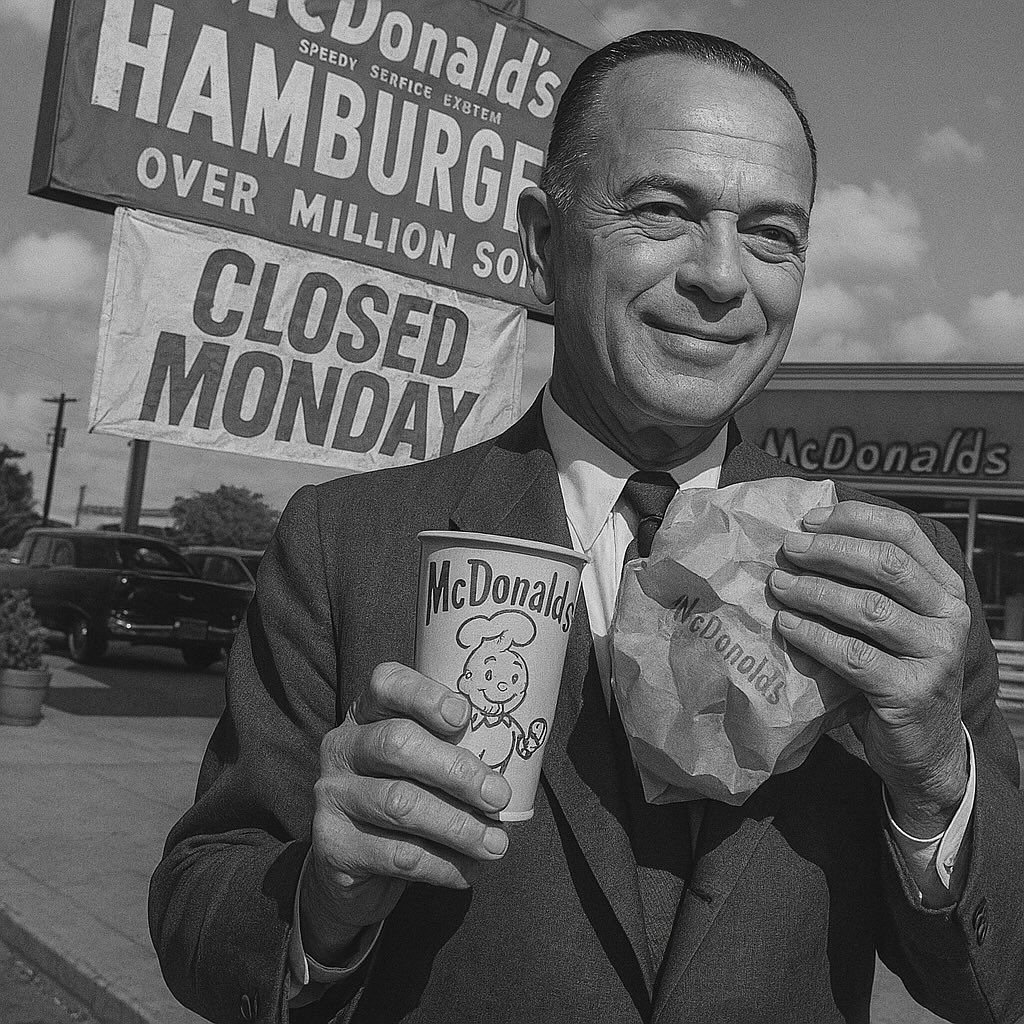
Ray Crocs daughter, Marilyn Janet Kroc Barg, remains an intriguing and understated presence connected to one of the world’s most iconic business legacies. While Ray Kroc’s name became synonymous with the explosive growth of McDonald’s, his only child, Marilyn, opted for a quieter, more private path that offers lessons for families living in the shadow of very public success.
The Early Years: Family and Change
Ray Crocs daughter, Marilyn Janet Kroc was born in Chicago in 1924 to Ray Kroc and his first wife, Ethel Fleming. At the time, Ray was still far from becoming a celebrated entrepreneur. This period represented both the optimism and uncertainty of pre-McDonald’s life—Kroc worked numerous jobs and the family shifted as Ray chased his ambitions. Marilyn’s parents married in 1922 and remained together for nearly four decades before splitting in 1961.
Growing up, Ray Crocs daughter,Marilyn witnessed her father’s relentless work ethic, a trait passed down through the Kroc lineage. Chicago’s culture in the early twentieth century revolved around neighbourhoods, tradition, and new beginnings—all themes reflected in Marilyn’s upbringing.
The Burden and Blessing of Legacy
With Ray Kroc’s eventual purchase of McDonald’s and its subsequent rise in the 1950s and ‘60s, the family experienced dramatic changes. While Ray pursued national—and then global—success, his relationship with Marilyn often took a backseat to business. As McDonald’s became a household name, Marilyn carved out her own identity, often away from the empire’s growing influence.
Friends and family describe Ray Crocs daughter, Marilyn as reserved, composed, and gracious. She attended local schools and later contributed to community initiatives and business ventures. Despite possessing the resources of Ray’s expanding fortune, she avoided media spotlights and the high-profile lifestyle so often associated with major business scions.
Health Challenges and Personal Adversity
Unlike her father’s long-standing public visibility, Ray Crocs daughter, Marilyn’s life was marked by health struggles. She battled diabetes for much of her adult life, a challenge that would eventually take her life decades before her father’s death in 1984. Marilyn died in 1973, aged 49, after building her own network of friends, supporters, and causes.
Her passing affected the Kroc family deeply; Ray outlived Marilyn by eleven years. The moment was a sobering reminder that personal health and family relationships remain central, regardless of fame or achievement—a theme recognised widely in UK culture and family-focused media.
Influence and Philanthropy
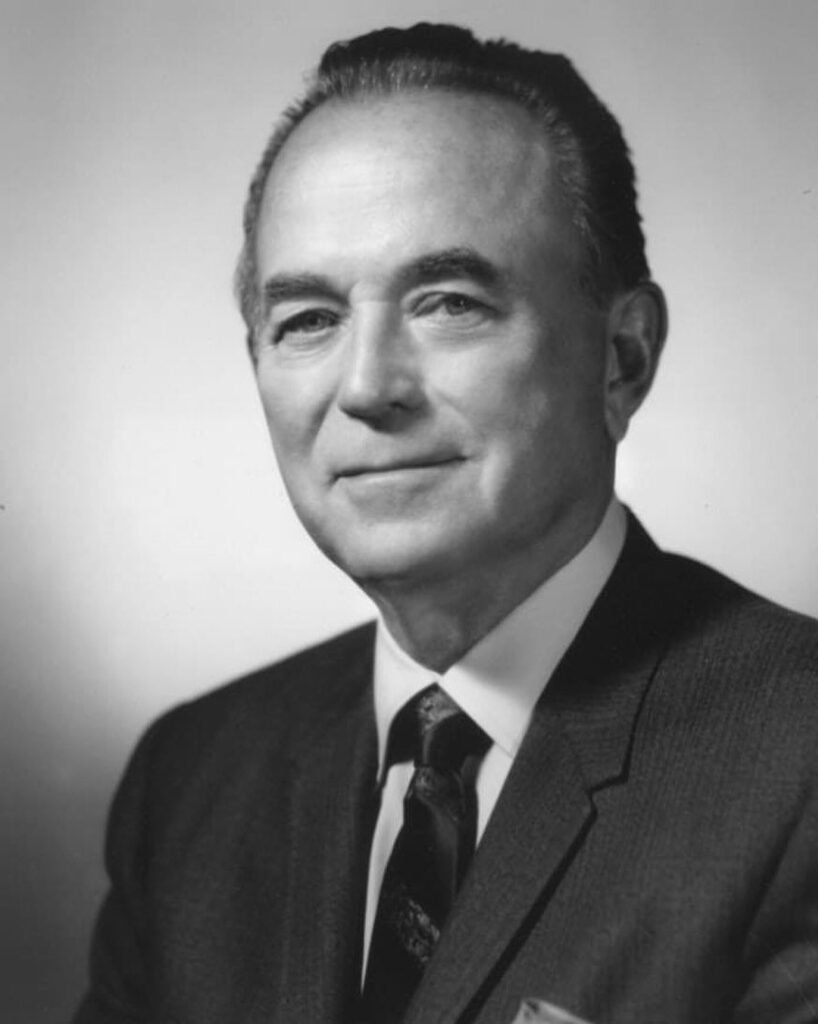
Ray Crocs daughter, Marilyn Kroc Barg’s story continues through the charitable legacy established by her family. The Kroc Foundation and Ronald McDonald House Charities became significant contributors to public health, medical research, and support for families facing childhood illness.
Though Marilyn rarely appeared in the media, she participated in philanthropic projects both in her lifetime and through the family’s foundations. The Kroc Foundation’s work has made a tangible difference for British families, with Ronald McDonald Houses now supporting families at several leading UK children’s hospitals.
The Role of Women in Famous Families
British sociologists and culture critics often reference Ray Crocs daughter, Marilyn Kroc Barg’s approach to privacy, family, and community life. In contrast to the tabloids, her story offers a quiet lesson in grace and dignity. She exemplifies how children of public figures can make meaningful contributions without seeking fame.
Modern UK media highlight that Marilyn’s path—choosing service, community, and discretion—mirrors the values many families prize. She reminds the public that not all legacies need to manifest in high-profile headlines or business deals. Sometimes, the most lasting contributions are those made in the service of others’ wellbeing.
Lessons for UK Readers
The journey of Ray Crocs daughter, Marilyn Janet Kroc stands out for its combination of inherited opportunity and individual choice. As debate continues in Britain over the mental health and privacy of those connected to celebrity—especially children—Marilyn’s example presents an alternative: balance, humility, and a focus on helping others.
UK family historians point to the impact of supporting children and vulnerable adults, a value central to the Kroc philanthropic mission. The Ronald McDonald House Charities now aid thousands of British families annually, providing accommodation and respite in difficult times. Many attribute these efforts to the influence of Kroc’s private family experiences.
Looking Forward
While many details of Ray Crocs daughter, Marilyn Kroc Barg’s life remain outside public view, her story endures through the philanthropy associated with her family. The legacy she leaves is threaded through quiet achievements and life-changing impact on others. As the UK faces new debates over health, enterprise, and family unity, Marilyn’s choices offer a template for both generations living in the shadow of public achievement and those seeking to forge their own meaningful paths.
Conclusion
Ray Crocs daughter, Marilyn Janet Kroc Barg, lived far from the golden arches but left a lasting impression on her family, friends, and charitable foundations. Her story invites UK readers to reflect on fame, health, privacy, and compassion. She stands as proof that behind every headline and corporate legend lies a network of quieter contributions—and that sometimes, the greatest legacy is found in grace, discretion, and kindness.
Read more: georgeann crewe
