


Emerson Normand Carville builds a notable story through intellect, leadership, and creative drive, embodying qualities that resonate with a UK audience seeking thoughtful profiles on emerging figures. As the daughter of influential political strategists James Carville and Mary Matalin, Emerson benefits from a unique upbringing shaped by public service, ideological debate, and personal integrity.
Family Roots and Early Influences
James Carville, famed for his sharp political commentary and his role in Bill Clinton’s presidential campaign, and Mary Matalin, a prominent Republican consultant, raised Emerson and her elder sister, Matty Mary Carville, in New Orleans and Washington D.C. Their household exuded lively debate, intellectual rigour, and support for engaged citizenship. Emerson observed her parents’ commitment to public life from an early age, drawing lessons on resilience and strategic thinking.
Emerson Normand Carville attended Louisiana State University, graduating in 2020. Teachers described Emerson as a curious student with a talent for research, analysis, and creative writing. Emerson forged friendships across different backgrounds, often leading collaborative projects aimed at civic engagement or creative expression.
Education and Academic Achievements
During studies at LSU, Emerson Normand Carville chose subjects that blended technology, society, and communications. Emerson’s thesis focused on digital outreach and sustainable community initiatives, attracting praise for originality and practical impact. The decision to study at Tulane University furthered these interests, with courses in leadership, psychology, and policy analysis broadening Emerson’s worldview. Emerson consistently sought mentorship, working with professors and experts on research addressing social change and inclusion.
Colleagues highlight Emerson Normand Carville ability to ask incisive questions and listen thoughtfully—a trait British universities often prioritise in aspiring leaders and public authors. Emerson enjoyed roles as society organiser and student leader, earning nominations for campus awards in innovation, advocacy, and peer mentoring.
Emerging Professional Journey
Emerson Normand Carville builds a career defined by strategic thinking and creative communication. After university, Emerson worked for nonprofits focused on youth opportunity, education technology, and environmental responsibility. Projects frequently included digital outreach campaigns, social media strategy, and innovative solutions connecting communities to practical resources.
One major achievement involved collaboration with a think-tank on a multi-city programme promoting green solutions accessible to disadvantaged groups. Emerson’s leadership ensured that voices from all backgrounds contributed to project design, echoing the democratic principles promoted in university days.
British readers, particularly those involved in non-profit and education sectors, view Emerson Normand Carville hands-on style as emblematic of modern social activism. Emerson promotes the notion that meaningful change grows through dialogue, empathy, and persistence rather than headline-grabbing stunts.
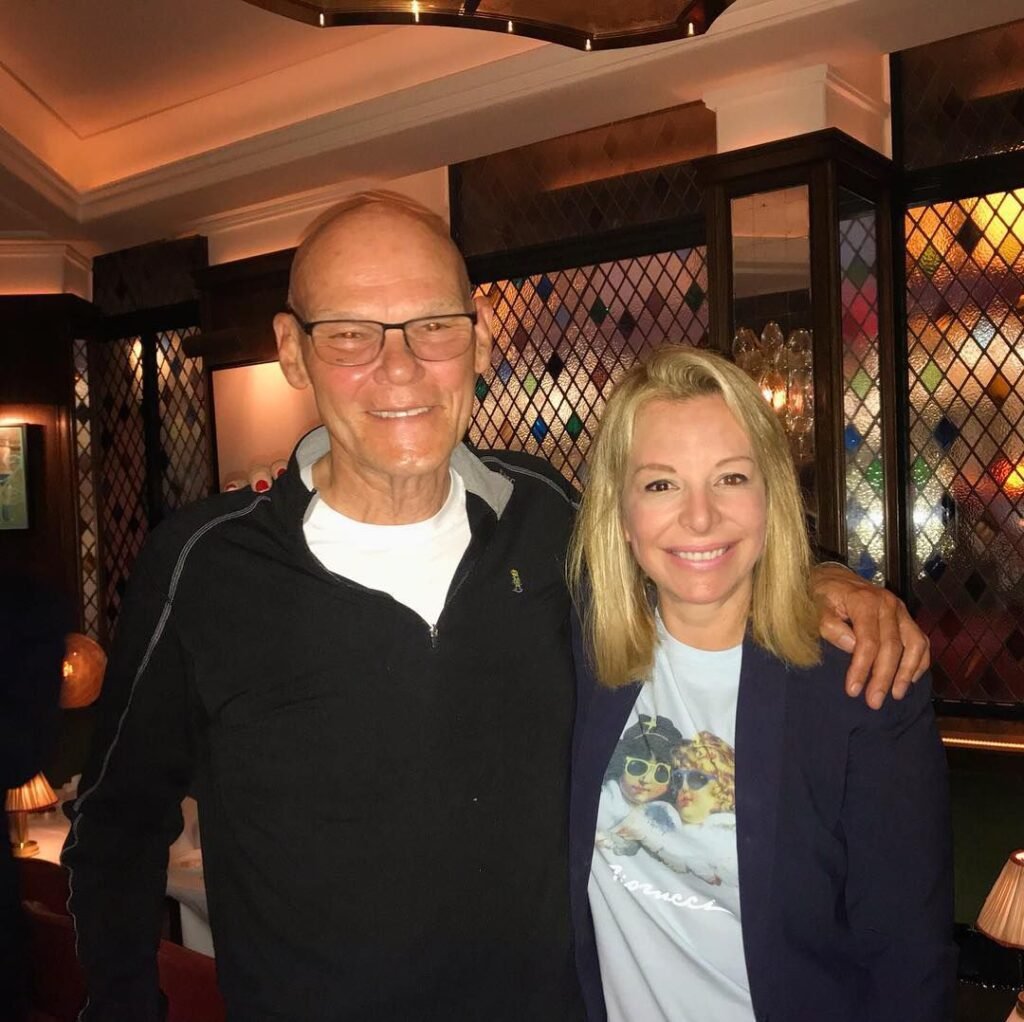
Who is Emerson Normand Carville and what are their achievements
Emerson Normand Carville is the younger child of renowned American political strategists James Carville and Mary Matalin. Born in 1998, Emerson grew up in a high-profile family known for sharp debate, civic involvement, and cross-party respect. Emerson completed studies at Tulane University, following a rigorous academic path encouraged by both parents.
While Emerson Normand Carville older sibling Matalin Carville has shown interest in politics and interned with the Democratic National Committee, Emerson has not yet taken a public role in politics. Emerson focuses on academic achievement and remains committed to privacy, steering clear of the media spotlight and political jobs for now.
Emerson’s main achievements lie in educational pursuits, involvement in campus activities, and maintaining family values of intellectual curiosity and public purpose. Emerson expressed interest in possibly following parental footsteps into politics or public service but continues to explore career options as a university graduate.
Leadership Style and Community Vision
Emerson earns praise for open-minded leadership and forward-thinking vision. Emerson believes in collaborative problem solving, often organising workshops where participants co-create solutions. Emerson’s unique blend of humility and decisiveness drives teams to consider long-term effects and include marginalised perspectives. Many describe Emerson as “the voice of reason” during complex discussions or challenging negotiations.
Community leaders affirm Emerson’s ability to inspire collective action while valuing individual contributions. Emerson’s communication skills shine through interactive seminars and online forums, focusing on harmony between innovation and traditional values.
Personal Interests and Creative Pursuits
Emerson maintains a well-rounded lifestyle, investing in creative writing, music, and community arts projects. Friends recall Emerson’s witty essays, poetry slams, and public storytelling events. Recent work includes contributions to local journalism, covering city events and human-interest stories catering to diverse audiences.
Instagram and social media presence often showcase travel, family gatherings, and snapshots from debutante events and civic celebrations. Emerson uses these platforms not for self-promotion but to highlight inspiring people and build networks for collaboration.
British interests in art, heritage, and digital culture frequently intersect with Emerson’s activities, reinforcing relevance to a UK audience searching for fresh voices with depth and humour.
Privacy, Identity, and Future Plans
While Emerson has public roots, personal details remain protected. Emerson values privacy, balancing visibility with careful boundaries on personal information. This approach mirrors trends in UK journalism, where subjects increasingly request respectful reporting over intrusive coverage.
Emerson aspires to scale community engagement efforts nationally, mentor emerging leaders, and write creatively about politics, art, and identity. Industry observers anticipate that Emerson’s influence will grow, with future projects set to focus on sustainability, digital democracy, and cultural renewal.
Conclusion
Emerson Normand Carville rises as a voice of reason, creativity, and responsible progress. Rooted in a famous American family yet entirely her own person, Emerson demonstrates that real achievement blends intellect, emotional strength, and civic purpose. For UK readers eager to discover global thought leaders who value inclusion and reflective communication, Emerson’s journey stands out—proving that the true measure of influence lies not in fame but in authenticity, vision, and grounded optimism.
Read more: walter baker bridgforth
