

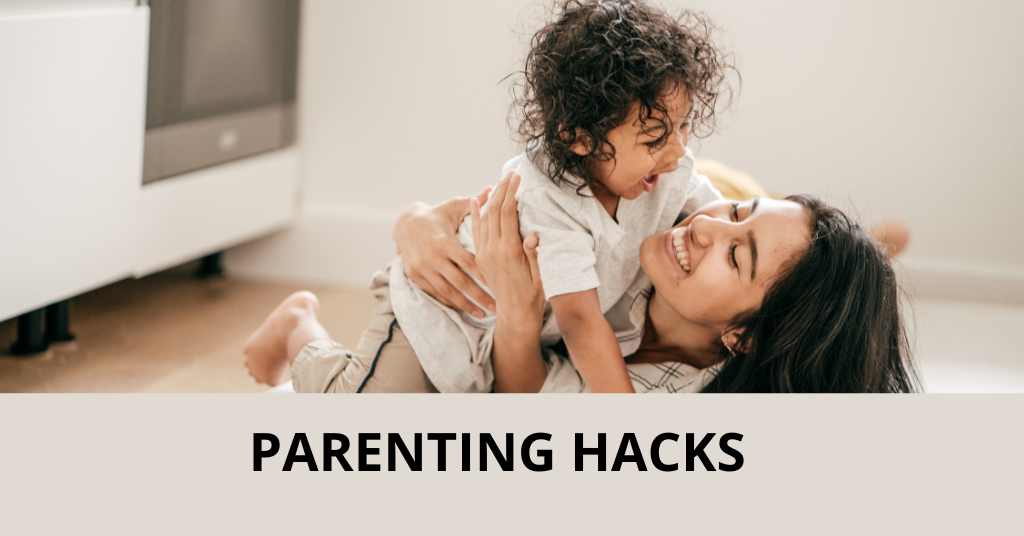
Parenting is one of life’s most rewarding and challenging journeys. Every parent wants to raise children who are happy, confident, and emotionally resilient, but with so much advice available, it’s easy to feel overwhelmed. Effective parenting isn’t about perfection; it’s about consistent love, guidance, and creating a supportive environment for growth. Children thrive when they feel safe, understood, and valued. Today’s world demands more than just providing food, shelter, and education — it requires nurturing emotional intelligence, social skills, and problem-solving abilities.
This article provides practical parenting tips inspired by real-life experiences, research-backed strategies, and insights from popular parenting approaches like “fpmomhacks.” These tips focus on emotional support, healthy routines, independence, positive discipline, and self-care. Whether you are a new parent or juggling multiple responsibilities, these strategies are designed to help you raise confident, resilient, and well-rounded children while keeping your parenting journey manageable and fulfilling.
Why Parenting Approach Matters
Parenting shapes the foundation of a child’s emotional and social development. Beyond providing basic needs, children require consistent support, guidance, and respect. A positive parenting approach promotes trust, empathy, and self-confidence. Children respond to the way caregivers communicate, discipline, and provide guidance. Harsh or inconsistent behavior can lead to emotional challenges, while gentle and structured support fosters resilience.
Effective parenting adapts to a child’s age, temperament, and developmental stage. What works for a toddler may not work for a school-aged child, and strategies for a teenager differ from younger children. Being aware of these differences allows parents to respond thoughtfully, maintain strong connections, and guide children toward independence and emotional health.
Top Parenting Tips & Hacks
1. Show Unconditional Love and Emotional Warmth
Children need to feel loved for who they are, not just for their achievements. Showing consistent affection and emotional support strengthens self-esteem and confidence.
- Express love through words, hugs, and everyday gestures.
- Listen attentively to your child’s thoughts, fears, and ideas without judgment.
- Praise efforts rather than results to encourage a growth mindset.
Unconditional love builds resilience and emotional stability, giving children the confidence to explore, learn, and face challenges.
2. Communicate Respectfully and Encourage Emotional Expression
Healthy communication is key to building trust. Children who feel heard and respected develop better social and emotional skills.
- Encourage children to name and express emotions, whether happy, sad, or frustrated.
- Respond calmly to mistakes instead of yelling or punishing harshly.
- Engage in regular two-way conversations about their day, interests, and worries.
Respectful communication fosters emotional intelligence and helps children navigate relationships effectively.
3. Encourage Independence and Responsibility
Teaching children to take responsibility promotes confidence and self-reliance.
- Assign age-appropriate tasks like tidying toys, setting the table, or making small choices.
- Allow children to solve problems with guidance rather than solving everything for them.
- Gradually increase responsibilities as children mature to build a sense of agency.
When children are trusted with responsibilities, they develop critical thinking, decision-making skills, and a strong sense of self-worth.
4. Use Positive Discipline Instead of Punishment
Discipline should guide children toward better choices rather than instilling fear.
- Set clear rules and expectations with consistent boundaries.
- Explain why a behavior is unacceptable and suggest alternatives.
- Avoid yelling, threats, or harsh punishments.
Positive discipline encourages self-control, moral development, and a trusting parent-child relationship.
5. Build Healthy Routines and Family Time
Consistency provides children with security and reduces anxiety.
- Maintain predictable routines for meals, homework, bedtime, and play.
- Dedicate quality time daily for reading, playing, or simply talking.
- Include unstructured play to stimulate creativity and social skills.
A stable routine paired with meaningful family interactions strengthens bonds and fosters emotional well-being.
6. Encourage a Growth Mindset and Learning from Mistakes
Children benefit when they view challenges as opportunities to learn.
- Focus on effort and perseverance rather than innate talent.
- Guide children in reflecting on mistakes to build resilience.
- Encourage curiosity, exploration, and lifelong learning beyond academics.
A growth mindset helps children handle setbacks confidently and develop problem-solving skills.
7. Practice Self-Care as a Parent
Parents who are emotionally balanced and rested are better equipped to guide and support their children.
- Prioritize self-care, hobbies, and social connections to reduce stress.
- Seek support from friends, family, or parenting communities when needed.
- Model healthy behaviors like emotional regulation, mindfulness, and healthy routines.
Children learn from their parents’ example; emotionally healthy parents foster emotionally resilient children.
Common Challenges
- No One-Size-Fits-All: Every child is unique; strategies should be adapted to temperament and developmental stage.
- Avoid Over-Reliance on Hacks: Balance structure and guidance with warmth and flexibility.
- Parental Burnout: Regular self-care is essential for maintaining patience and consistency.
Recognizing challenges and being adaptable ensures long-term parenting success.
Read More: Find Gaming Tournaments Easily with TheHakEvent
Conclusion
Parenting is a journey of love, learning, and growth. While challenges are inevitable, raising confident, resilient children is possible through consistent love, clear communication, and supportive guidance. Showing unconditional love, fostering emotional expression, encouraging independence, and maintaining routines provides children with a strong foundation for emotional and social development. Positive discipline, growth mindset practices, and mindful self-care for parents further enhance the family environment.
Even small daily actions, when done thoughtfully and consistently, build lifelong habits of resilience, empathy, and self-confidence in children. Parenting is not about perfection; it’s about creating an environment where children feel safe, valued, and empowered to thrive. By focusing on emotional well-being, learning, and strong parent-child connections, parents can raise well-rounded individuals prepared to face life’s challenges with confidence and compassion.
FAQs
Q1: What is positive parenting?
Positive parenting focuses on empathy, respect, and guidance rather than harsh punishment. It emphasizes emotional support, consistent rules, and teaching through encouragement.
Q2: How important is emotional support compared to academic success?
Emotional support is foundational. Children who feel secure and valued perform better academically and develop stronger social skills and resilience.
Q3: Is it okay for parents to make mistakes?
Yes. Owning mistakes, apologizing, and modeling learning from errors teaches accountability and empathy to children.
Q4: How much independence should I give my child?
Independence should be age-appropriate. Start with small tasks and gradually increase responsibility to foster confidence and decision-making skills.
Q5: How can busy parents maintain strong relationships with children?
Prioritize quality time, even in short durations. Focus on meaningful interactions like conversations, reading, or shared play to strengthen bonds.
