

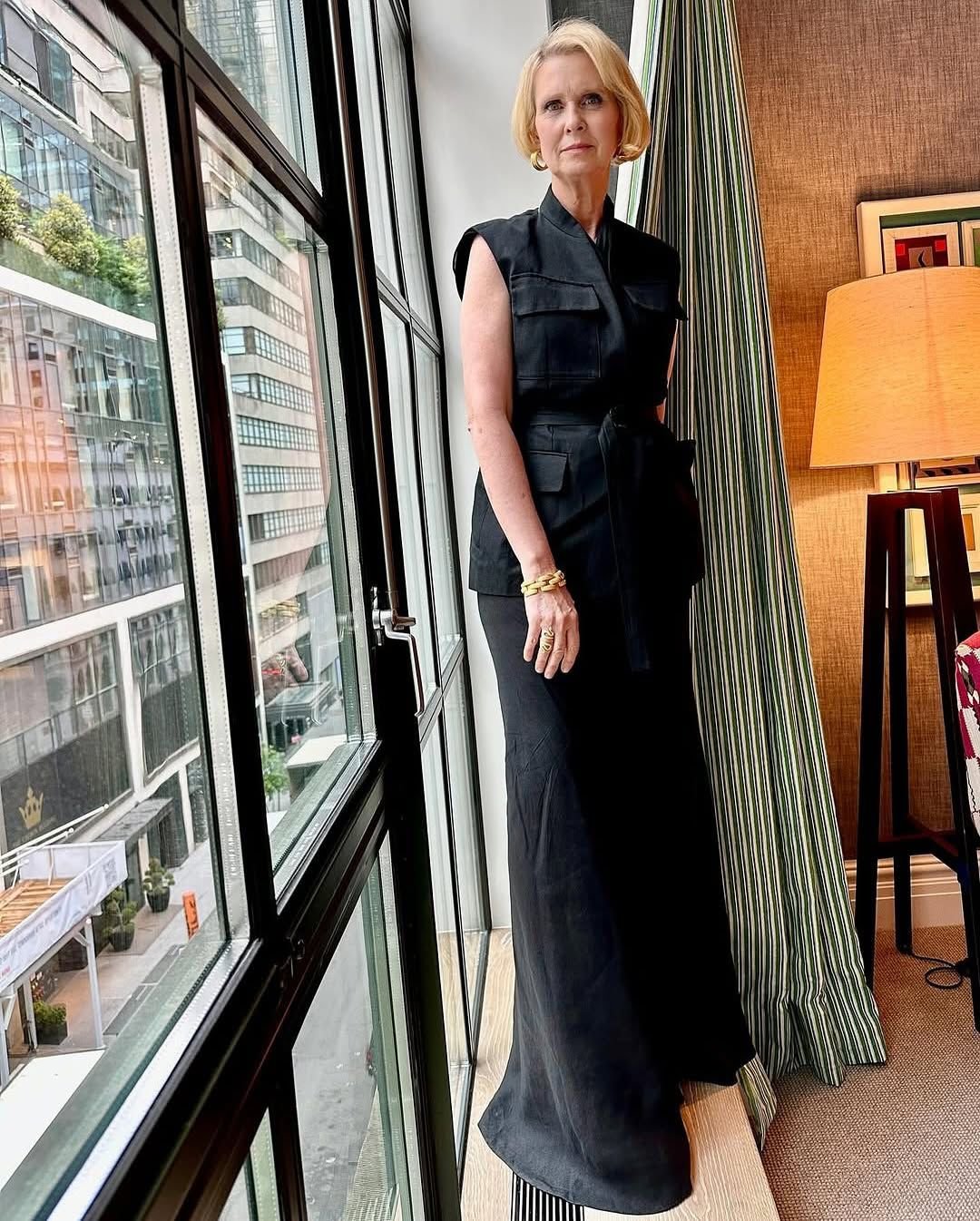
Charles Ezekiel Mozes, though not a conventional celebrity name, commands the attention of many due to his unique family story and his iconic mother, actress Cynthia Nixon. As British audiences continue to explore the lives of celebrity children—especially those seeking to carve out their own identity—Charles’s journey stands out for its relatability, resilience, and example of blended family life in the 21st century.
Early Years: Balancing Privacy with a Famous Lineage
Born on 16 December 2002 in the United States, Charles Ezekiel Mozes is the son of television and theatre star Cynthia Nixon and her former partner, photographer and educator Danny Mozes. He grew up alongside his older sibling Samuel Joseph Mozes, who would later become an important advocate for transgender representation in the US and beyond. From his earliest days, Charles was shielded from the glare of the press more so than many children of Hollywood, with both parents strongly valuing his privacy and childhood independence.
Charles Ezekiel Mozes spent his formative years in New York City, a place his mother continues to champion for its diversity and progressive approach to education and community. Cynthia Nixon’s choice to enrol her children in New York public schools rather than elite private institutions reflects the shared family value of social responsibility over privilege. Charles’s exposure to social issues, nuanced conversations about identity, and the arts came naturally in such a setting.
Navigating Modern Family Dynamics
One of the most notable aspects of Charles Ezekiel Mozes life is his experience within a blended family structure. After Cynthia Nixon and Danny Mozes separated in 2003, Charles Ezekiel Mozes witnessed the evolution of modern parenting first hand. Cynthia began her long-term relationship with Christine Marinoni, an education activist. The couple eventually married, further expanding Charles’s understanding of family ties, inclusion, and acceptance.
Charles Ezekiel Mozes journey in adjusting to having two mothers rather than the more traditional family model was gradual and thoughtful. Cynthia Nixon has shared that her children’s teachers played a vital role in helping Charles process and embrace this dynamic. Stories from his early school years reveal how educators, by referring to both Nixon and Marinoni as “Charlie’s mums,” made inclusion a lived reality. Such anecdotes illustrate the progressiveness of New York’s school system and serve as a reminder that UK schools increasingly focus on promoting similar values of respect and diversity.
Siblings and Support Systems
Charles Ezekiel Mozes is the younger brother of Samuel Joseph Mozes (known as Seph), who came out as transgender in 2018. Samuel’s decision to openly share his identity involved the support of their immediate family, and the story garnered widespread praise in the media as an example of parental support and LGBTQ+ allyship. Charles witnessed this personal evolution up close, no doubt developing a deeper understanding of gender and inclusivity as a result.
The family expanded again when Cynthia and Christine welcomed Charles’s youngest brother, Max Ellington Nixon-Marinoni. Born via donor insemination, Max’s arrival further underscored the importance of love as the foundation of family, regardless of genetics or traditional expectations.
Education and Personal Development
Details about Charles Ezekiel Mozes education after secondary school remain private. His earlier years, however, were spent within New York’s public school network—a point that Cynthia Nixon emphasised repeatedly in interviews to highlight the need for investment and equality in public education. Nixon’s advocacy, including her candidacy for New York Governor, placed her children in the public spotlight at times, but the family carefully guarded the boundaries of their private life.
Growing up in such a context gave Charles a rare blend of real-world awareness, empathy, and media literacy. Friends and teachers note his maturity and level-headedness, qualities increasingly celebrated among young adults both in the UK and the US. Charles’s background—multicultural, inclusive, and grounded in activism—makes his outlook especially relevant as British society addresses its own debates on diversity, family, and community support.
Keeping a Low Profile
Despite his connection to a major television star, Charles Ezekiel Mozes has maintained a low public profile. He has not actively pursued a career in acting or used his lineage for fame. Public appearances are infrequent, limited to notable family events or advocacy causes involving his mother or brothers. His social media presence is minimal, reflecting a conscious choice to prioritise privacy and self-development over public attention.
Observers in the UK—and beyond—often look to the next generation of celebrity children for clues about how values are shifting among young people. Charles sets an example for those who value personal growth, family connection, and adapting to new social realities more than traditional fame.
Impact for UK Audiences
British families and readers can draw several lessons from Charles’s story. His background, marked by shifts in family structure and authentic acceptance, mirrors a growing reality in the UK, where blended households and non-traditional parenting models are increasingly common. His experience shows that strong support systems, open communication, and inclusive communities foster resilient and open-minded young adults.
Additionally, his mother’s longstanding advocacy for public education, children’s rights, and social justice offers a template for prioritising the collective good over individual advancement—values that resonate across Britain’s own educational and civic conversations.
Conclusion
Charles Ezekiel Mozes embodies many of the qualities today’s UK news audiences admire: authenticity, resilience, and respect for diversity. His life, shaped by a rich blend of experiences, family backgrounds, and community values, offers an example of what it means to flourish in a modern, inclusive family. As the cultural narrative continues to embrace a broader definition of family and identity, Charles stands as a quietly inspiring figure, reminding us that what truly matters most is how we support and respect one another, both in private and as a society.
Read more: royce beckly adkins
