

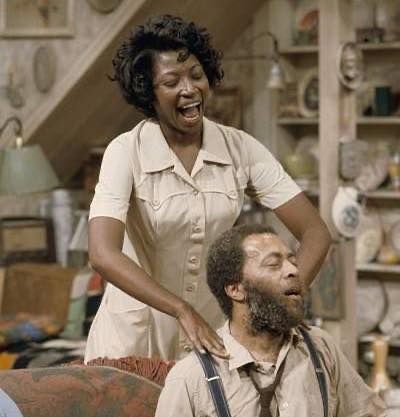
Cicely Johnston model story is one that resonates with anyone who finds inspiration in quiet dignity and perseverance. Known primarily as a pioneering African-American model in the 1970s and as the wife of actor and minister Demond Wilson, Johnston’s life has been marked by both glamour and remarkable resilience. Her narrative, while rarely dominating headlines, offers a compelling look at the hurdles faced—and overcome—by women of colour in fashion and beyond.
Breaking Barriers in Fashion
Cicely Johnston model began her modelling career at a time when opportunities for women of colour were severely limited. The fashion industry of the late 1960s and early 1970s in the United States, much like its British equivalent, was still grappling with major questions around representation and diversity. Securing assignments as a black model required not just beauty, but also tenacity and a willingness to challenge established norms. Johnston, with her striking features and confident presence, quickly became a sought-after face in commercial modelling and print ads.
With every campaign, Cicely Johnston model quietly redefined the standards of the industry. While she never achieved the international catwalk celebrity of contemporaries like Naomi Sims or Beverly Johnson, her work quietly paved the way for the next generation. Cultural commentators in both the US and UK often note that the value of trailblazers is measured not just in fame, but in the doors they open for others.
Marriage to Demond Wilson: A Life in Two Acts
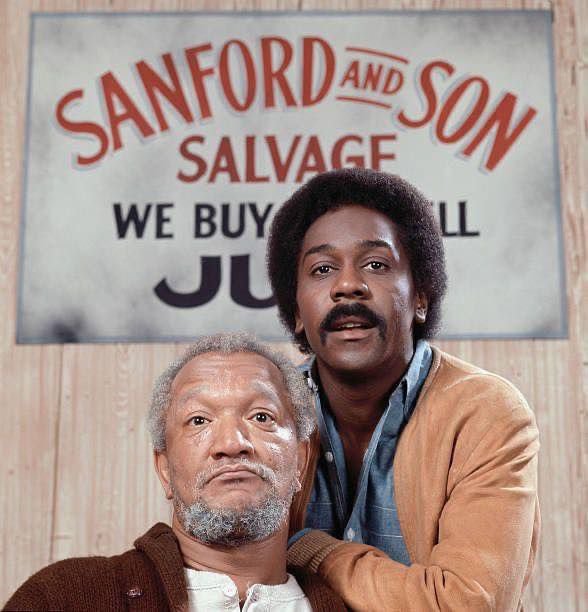
Cicely Johnston model public life took a new turn after her marriage to Demond Wilson in 1974. Wilson, best known for his role in the American sitcom “Sanford and Son,” was at the height of his fame, and their union attracted public attention. However, the couple was determined to establish a stable family life away from Hollywood’s excesses. This choice to step back from the spotlight resonates with contemporary British celebrities like Emma Willis and Marvin Humes, who actively balance public roles with private family life.
The Wilsons’ marriage, now spanning over five decades, has been tested by adversity. Demond’s admitted struggles with substance abuse and his eventual turn to religion as a pastor placed strain on their relationship, but Johnston’s support is credited as a stabilising force. In interviews, Demond has publicly acknowledged his wife’s crucial role in his life transformation, affirming the importance of family strength through life’s most testing storms.
Navigating the Challenges of Public Life
Cicely Johnston model time as a model gave her valuable insight into the pressures of public attention. She created boundaries between her career and her private life, declining to leverage her marital connection for celebrity status. Instead, Johnston’s philosophy—echoed in many modern UK families—centres on humility and self-reliance. Friends and family describe her as gracious and reserved, a woman who values action over acclaim.
While raising six children together, Cicely Johnston model and Demond Wilson maintained a united front even during personal and professional challenges. The move from the frenetic pace of Hollywood to a quieter, faith-centred existence marked a dramatic shift for both. For Johnston, it was another proof of her adaptability—a characteristic often praised in British society, where resilience and private achievement are especially prized.
Impact and Legacy: More Than a Modelling Career
Though less visible to the public in recent decades, Cicely Johnston model early work in fashion is remembered by peers as quietly influential. Her modelling assignments not only brought subtle representation to mainstream campaigns but also helped shift attitudes within advertising and publishing, reflecting a more inclusive vision of beauty. Her career is sometimes cited in UK diversity discussions as an example of how gradual progress is made possible by individual pioneers.
Johnston’s impact extends beyond modelling. Her experience as a mother in a blended show business family, her role as a pastor’s wife, and her reputation for resilience render her a figure of admiration, particularly in communities that face discrimination and underrepresentation. While remaining largely out of the press, she has shown that lasting influence arises from the lives quietly supported and inspired, not the headlines earned.
Inspiration for Modern UK Readers
For British readers attuned to debates around diversity, role models, and the hidden challenges of public life, Cicely Johnston’s story offers both comfort and motivation. Her determination to break through professional barriers without losing sight of personal values aligns with contemporary narratives about work-life balance, inclusivity, and integrity. In a media environment often obsessed with controversy or overnight stardom, Johnston’s journey stands as a salute to those who build legacies patiently and privately.
Cicely Johnston model example serves young British professionals—especially women and members of underrepresented groups—seeking to define success on their own terms. In recent opinion pieces, UK commentators have highlighted how Johnston’s quiet progress offers a vital counterpoint to louder, more fleeting celebrity narratives.
Conclusion: Quiet Triumph and Enduring Influence
The life of Cicely Johnston model and matriarch, shines as a reminder that true success is often measured in families strengthened, doors opened, and prejudices overcome. Her journey traversed challenging territory both within and beyond the fashion world, yet her legacy endures stronger for it. As UK society looks forward toward a more inclusive future, the story of Cicely Johnston will remain relevant—a testament to strength, character, and the power of leading with grace.
Read More: caesar lorenzo newton
