

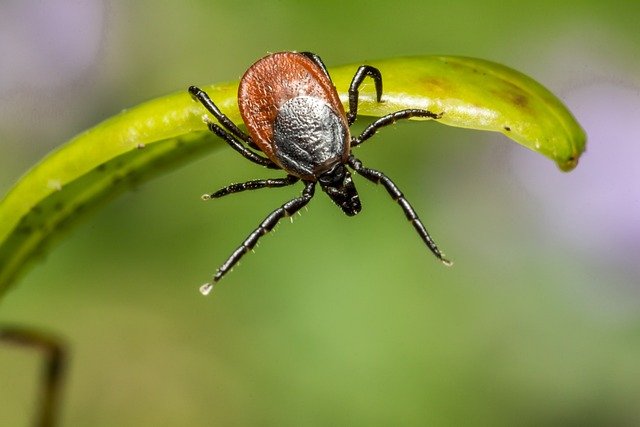
With the UK basking in warmer summers, Lyme disease is back in the headlines. Health officials, environmental experts and campaigners all stress a simple but urgent message: be tick aware. As more people seek the tranquillity of Britain’s parks, forests and moors, understanding Lyme disease has become vital for anyone heading outdoors.
What is Lyme Disease?
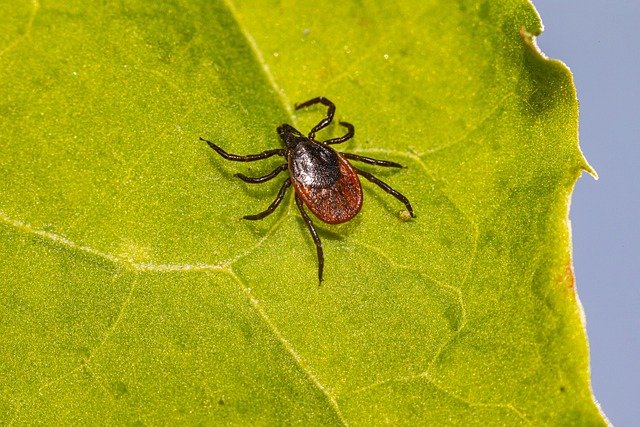
Lyme disease is a bacterial infection transmitted to humans through bites from infected ticks, primarily the species known as Ixodes ricinus. These tiny arachnids, no bigger than a sesame seed, thrive in grassy and wooded areas across the UK. The bacteria responsible, Borrelia burgdorferi, can cause a range of symptoms, from a simple rash to more serious complications if untreated.
How Common is Lyme Disease in the UK?
The UK Health Security Agency (UKHSA) reported over 1,500 laboratory-confirmed cases of Lyme disease in England and Wales in 2024. However, experts agree the true number is far higher. Many cases are diagnosed based on symptoms and treated in GP surgeries without laboratory confirmation. Estimates suggest between 3,000 and 4,000 new cases per year, with hotspots in areas like Devon, Cornwall, Somerset and the Scottish Highlands.
Ticks are most active from April to June, matching the peak of outdoor activity during Britain’s warmer months. Roughly 4% of ticks in England and Wales carry the bacteria, though in some areas this figure can reach up to 10%.
Why Are Cases on the Rise?
Several factors are fuelling this increase. Climate change has led to milder winters and longer periods of tick activity, broadening their geographic spread. Changes in wildlife populations and human land use also play a role, bringing ticks into closer contact with people. Enhanced surveillance and greater public awareness have improved detection, but the risk is still easily underestimated.
Symptoms: Spotting the Signs Early
Not everyone bitten by a tick will contract Lyme disease, and not all ticks are infected. The classic early sign is a circular “bullseye” rash, known as erythema migrans, appearing from three days to three weeks after the bite. However, not every case involves a visible rash.
Other symptoms are non-specific and can include fever, headaches, fatigue, and muscle or joint pain. If left untreated, Lyme disease may progress to more serious issues, affecting the nervous system, joints or even the heart. Experts stress the need for timely treatment, as most cases clear up quickly with a course of antibiotics if caught early.
Diagnosis and Treatment
UK guidelines recommend GPs initiate treatment based on clinical assessment, particularly if the characteristic rash is present. Laboratory tests are used when symptoms are less clear cut. The two-tier testing method, endorsed by NICE (National Institute for Health and Care Excellence), remains the gold standard in the UK. This approach is widely supported, despite concerns about reliability in early-stage infection. For most patients, a simple course of antibiotics is effective. Chronic or persistent symptoms are rare, and extended treatment is only indicated in a minority of cases.
Who’s Most at Risk?
Lyme disease does not discriminate by age or gender, though the highest number of cases tends to occur in those aged 45–64, with another smaller peak in younger adults. Children and outdoor workers—like gardeners, farmers and foresters—also face greater risk.
Hotspots include the South West of England, parts of Scotland, and areas with dense forests and tall grasses. Yet cases occur everywhere, and all outdoor enthusiasts should remain vigilant.
Vaccines, Research and Public Awareness
Currently, there is no commercially available vaccine for Lyme disease in the UK, though late-stage clinical trials are ongoing for a promising candidate. Public awareness campaigns such as Be Tick Aware, run by Lyme Disease UK and supported by local councils, aim to increase protection and early treatment. In May, notable landmarks across Britain light up in green for Lyme Disease Awareness Month, emphasising its growing visibility and impact.
Expert Insight: What the Specialists Say
UK specialists acknowledge the persistent gaps in understanding the true incidence of Lyme disease. They call for further research and ongoing public education, alongside the need for better diagnostic tools. The focus remains on early recognition and prompt treatment, with local and national campaigns reinforcing the core message: prevention and vigilance matter.
Looking Ahead
As climate trends escalate and outdoor activities remain popular, Lyme disease is likely to feature prominently in UK health discussions. While most people recover quickly if treated, the illness can be disruptive or even debilitating if missed. For now, staying informed, checking for ticks, and seeking help promptly after a tick bite are the best ways to enjoy Britain’s green spaces safely this summer.
The Hidden Habitats: Where Ticks Thrive
Ticks are not confined to remote wilderness. In the UK, they are frequently encountered in well-used green spaces close to towns and cities—including public parks, private gardens, and even school playing fields with overgrown areas. Studies by the University of Liverpool and Public Health Scotland highlight how changes in landscaping and wildlife patterns, such as increasing deer numbers, have favoured tick populations in both rural and suburban environments.
Ticks tend to quest for hosts in tall grass and dense shrubs. They are most active during mild, damp weather, but can be present from early spring through late autumn. South West England, The New Forest, Scottish Highlands, and parts of East Anglia remain higher-risk zones, but single cases have now appeared in virtually every UK county.
Key Advice for UK Residents
To summarise, public health authorities recommend regular tick checks after walks, particularly for children and pets who may play in grassy areas. Use of proper clothing and repellents, careful tick removal, and early attention to symptoms continue to be the best defences.
Conclusion:
Lyme disease is an increasing concern across the UK, especially as milder weather and more outdoor activities heighten exposure to ticks. Early recognition and swift treatment are key to preventing complications. While the illness can be serious, most people recover fully if treated promptly. By staying informed, taking simple precautions, and seeking help for suspicious symptoms, everyone can continue to enjoy the UK’s green spaces with peace of mind.
Read More: Mason Mount’s transfer to Manchester United
