

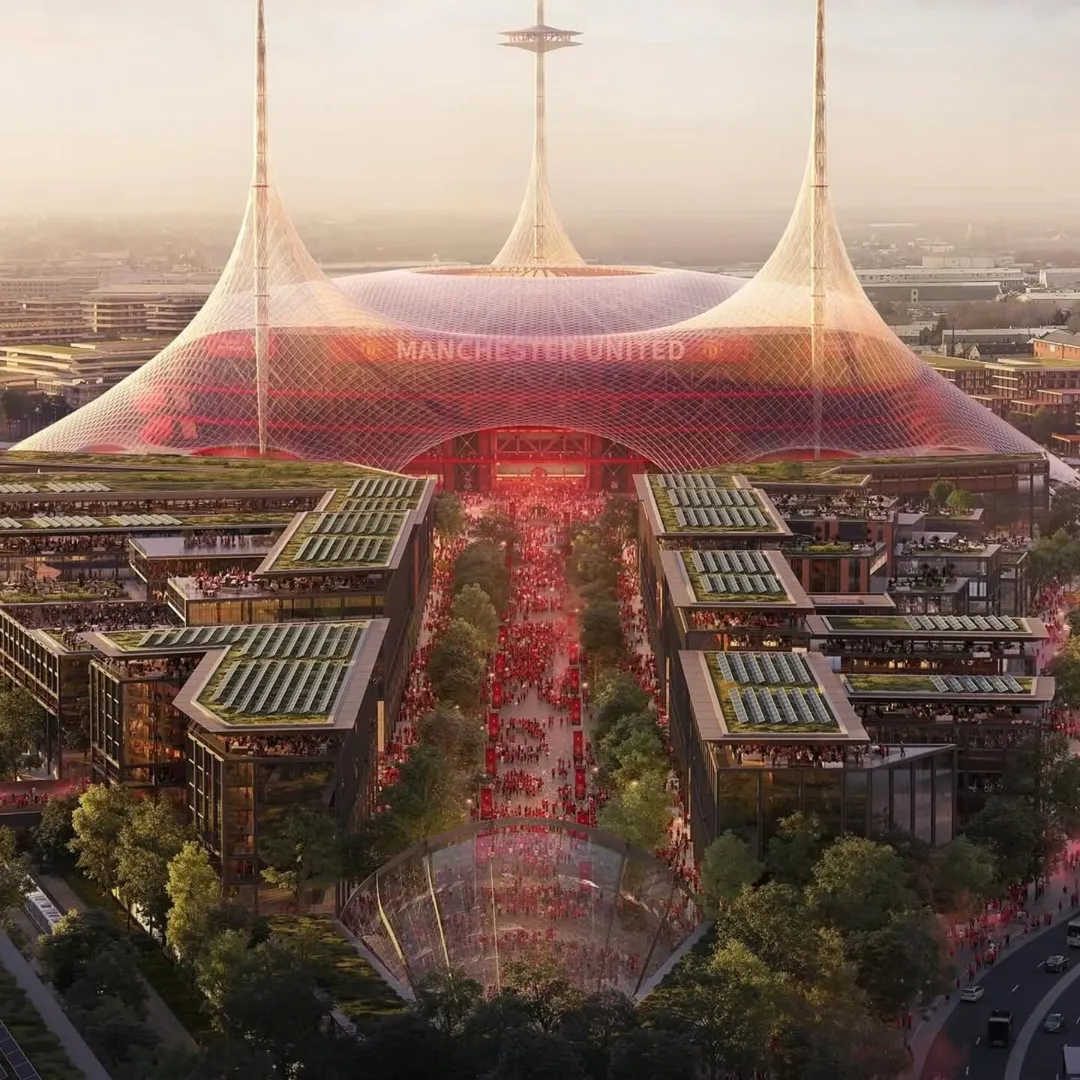
Manchester United, one of British football’s most historic clubs, stands on the brink of a groundbreaking chapter. This year, club officials announced transformative plans to build an entirely new Old Trafford. The project is capturing headlines as one of the most widely searched and debated football topics in the UK, driven by the promise of a state-of-the-art stadium and sweeping regeneration around the site. As debates continue and anticipation rises, here’s everything you need to know about the new Old Trafford and why this story is making waves across the nation.
Why a New Stadium? The Old Trafford Dilemma
Old Trafford has been the home of Manchester United since 1910. Generations of fans have watched both triumph and tragedy unfold beneath its famous stands. However, in recent years, the so-called ‘Theatre of Dreams’ has begun to show its age. Issues such as a leaking roof, outdated facilities, and sporadic reports of rodent sightings have left many supporters and players calling for change. Despite its legend, Old Trafford trails behind the likes of Wembley or Tottenham Hotspur Stadium in modern amenities and fan experience.
The club has considered a massive renovation or a move to a brand-new facility. A recent poll found more than half of United fans supported building afresh rather than refurbishing the existing stadium. This sentiment, combined with the urgent need for modernisation, led to a landmark decision: United will erect a new 100,000-seater stadium, making it the largest football arena in the UK and one of the largest in world football.
The Vision: A Stadium for the 21st Century
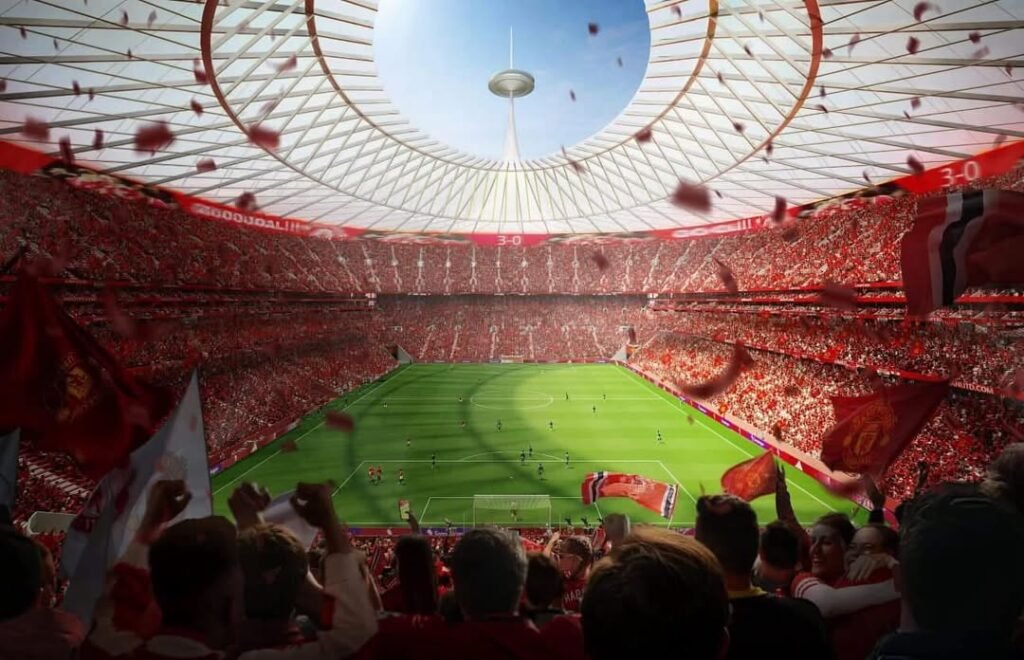
Manchester United’s new home will not merely be a venue for football. The proposed £2 billion project, designed by renowned British architect Sir Norman Foster and his firm Foster + Partners, aims to be a beacon for the local community and the whole of British sport.
Three towering ‘trident’ masts, rising up to 200 metres, will dominate the Manchester skyline. The design draws inspiration from the club’s Red Devil emblem and industrial northern heritage. Architects describe the stadium as outward-facing, wrapped in translucent canopies, and set within a vast plaza “twice the size of Trafalgar Square.” This open and green design aims to turn the Old Trafford district into a vibrant social hub, not just on match days but every day of the year.
Economic and Social Impact: More Than Just Football
City planners and developers envision the new stadium as the centrepiece of one of the largest regeneration schemes in the UK since the 2012 London Olympics. The project could create 92,000 new jobs, bring an extra £7.3 billion annually to the British economy, and lead to the construction of more than 17,000 new homes in the area. The plaza and surrounding district will feature leisure, shopping, and residential developments, making Old Trafford a year-round destination.
Government officials, including the Chancellor, have thrown their support behind the project, viewing it as a pivotal part of the north’s economic renewal. Andy Burnham, Mayor of Greater Manchester, points to public transport improvements, new civic spaces, and increased regional connectivity as key benefits arising from the stadium’s construction.
The Roadblocks: Land Disputes and Financing Hurdles
While the vision is inspiring, the project faces real-world challenges. At present, progress has stalled due to a land dispute with local firm Freightliner. Manchester United values a key parcel of land at £40–50 million while Freightliner is demanding £400 million, creating a significant stumbling block.
The club is also grappling with high levels of debt, estimated at £1 billion. How they plan to finance the new build remains unclear, though club leaders and economic experts believe that extensive commercial, sponsorship, and hospitality revenues will eventually make the stadium self-sustaining. Co-owner Sir Jim Ratcliffe, who has been instrumental in pushing the project, maintains confidence in both the club’s ability to break the impasse and in delivering the stadium within five or six years.
The Timeline: When Will the New Old Trafford Rise?
If all goes to plan, United hopes for construction to begin swiftly, potentially turning to a prefabrication method to speed up completion. Foster + Partners’ design calls for the stadium to be assembled in 160 mammoth pieces, shipped down the Manchester Ship Canal, cutting build times in half. The ultimate goal is to have the stadium ready ahead of the 2035 Women’s World Cup, for which the club is actively bidding to host the final.
Throughout the construction period, United fans need not fear temporary exile. Sources inside the club indicate that matches will continue at the current Old Trafford site until the new ground opens its doors.
What Do Fans and Experts Say?
Reactions to the plan have been largely positive. Supporters’ groups, though nostalgic about the current Old Trafford, overwhelmingly want Manchester United to have facilities to match their global reputation. Experts point to the ability of “multi-functional stadiums” to generate greater year-round revenue, underpinning financial stability and allowing further investment in the squad and local community.
City leaders hail the initiative as the north’s chance to match London’s success stories in regeneration and sporting legacy. Lord Sebastian Coe, chair of the Old Trafford Regeneration Task Force, has called the project the “most exciting urban regeneration opportunity in the UK”.
Looking Ahead: The Theatre of Dreams Reimagined
The new Old Trafford is much more than a football project. It is a vision of Manchester’s future, drawing on its rich past while pushing the standards of what a modern stadium and city district can be. At a time when English football and regional economies are grappling with uncertainty, Manchester United’s ambition is capturing imaginations and sparking debate well beyond football circles.
Conclusion:
The new Old Trafford represents far more than a new home for Manchester United; it symbolises ambition, innovation, and a commitment to both community and heritage. While challenges remain, this transformative project promises to shape the future of British sport and Manchester itself, ensuring that the Theatre of Dreams continues to inspire for generations to come.
Read More: Kyran Bowes: The Journey of a Rising UK Star
