

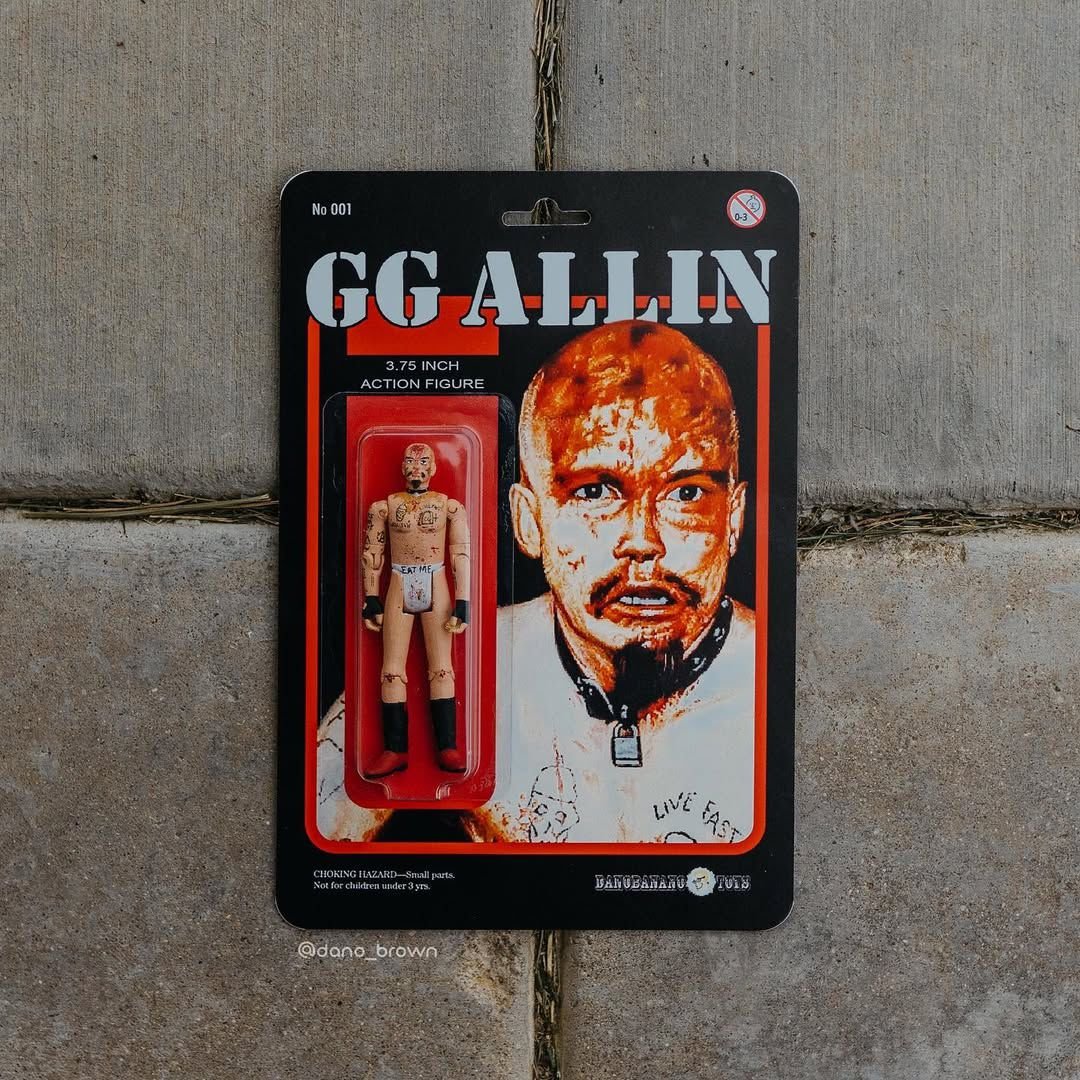
Nico Ann Deneault stands as a compelling example of how someone born into a legacy of controversy can, through quiet determination, shape their own life. Her story, rarely told in mainstream media, captures growing interest in the UK as readers seek genuine and personal narratives beyond celebrity headlines.
Early Life: A Heritage of Fame and Challenge
Nico Ann Deneault was born on 13 March 1986 in the United States, the only daughter of infamous punk musician GG Allin and Tracy Deneault. Her early years unfolded amid turbulence, as her father’s music and off-stage antics drew controversy and, at times, notoriety. GG Allin, whose real name was Jesus Christ Allin, lived a life marked by rebellion, legal troubles, substance misuse, and unpredictable behaviour. While some idolised his punk ethos, others condemned it—but for Nico, it meant growing up largely shielded from the chaos.
Nico Ann Deneault parents were never married, and her mother, Tracy, gave birth to her as a teenager. After GG Allin’s passing in 1993 from a heroin overdose, Nico found herself raised exclusively by her mother, seeking stability and normalcy far removed from her father’s lifestyle.
Choosing a Life of Privacy
From childhood, Nico Ann Deneault made a conscious effort to separate herself from her father’s controversial existence. Her formative years were defined by ordinary routines rather than rock fame—a decision shared by many children of notable figures who long for authenticity. She maintained an extremely private life, leaving little trace in entertainment circles or wider popular media.
There is no substantial record of Nico’s schooling, college education, or professional field. Nico Ann Deneault has never sought the limelight, preferring a life at the margins, which contrasts sharply with the loud legacy left by GG Allin. As of 2025, Nico is 39 years old and lives in the United States, still quietly upholding privacy and discretion.
Personal Life and Public Perception
Nico Ann Deneault remains unmarried and has no children. She stands approximately 5 feet 8 inches (about 173 cm) tall and is known for her brown hair and eyes—a quietly striking presence but not one built for attention. Her net worth is estimated at around $100,000, with no verified details about her source of income or involvement in her father’s music estate.
Details surrounding her relationships, daily routines, and interests are similarly undisclosed. Her conscious withdrawal from public discourse stands in marked contrast to the openness demanded by today’s digital age. This approach echoes an ethos familiar to many in the UK—where privacy and dignity remain core cultural values even in the face of overwhelming interest.

Legacy of Distancing and Reinvention
Nico’s choice to adopt distance extends beyond simple privacy. Some reports suggest she may have taken a different name in adulthood, severing remaining links to her family’s history in order to shield herself from past associations. This form of reinvention is becoming increasingly common among those connected to public figures facing scrutiny.
Her story offers poignant lessons to anyone living in the shadow of another’s fame or controversy. She serves as a reminder that family history does not have to dictate one’s future—a principle frequently discussed in UK psychological circles and community support programmes.
UK Relevance: Individuality in the Spotlight
Interest in Nico Ann Deneault has grown as UK audiences seek stories that privilege personal autonomy and self-directed lifestyles over inherited narratives. Her refusal to participate in the punk scene, or monetise her father’s music, stands as an unconventional act of self-determination worthy of analysis.
British media, which values restraint and the right to privacy, often highlights such narratives. In discourse around celebrity families and music industry legacies, Nico’s approach offers a model for avoiding sensationalism while cultivating a meaningful, private existence.
Contemporary Commentary and Social Impact
Though Nico avoids the media, her story has much to offer in ongoing conversations around identity, mental health, and the impact of tumultuous backgrounds. Experts in British sociology and mental wellbeing often advocate for choices that foster individual growth and stability—values reflected in Nico’s sustained determination to forge her own way.
Her example encourages broader discussions on how individuals connected to public figures can reclaim their own stories, focusing on healing, privacy, and personal success. This lesson holds special relevance within the UK, where social mobility, resilience, and reinvention are regularly debated.
Conclusion
Nico Ann Deneault’s journey demonstrates there is life beyond headlines and controversy. She has shown how privacy, independence, and quiet achievement can replace inherited chaos and spectacle. For UK audiences, her story inspires confidence in finding value and fulfilment away from public attention.
Her refusal to engage with the expected narratives of celebrity offspring sets a standard for self-respect and autonomy. It reminds readers that history may influence, but it need not dictate, the choices we make later in life. In a culture hungry for authenticity and real change, Nico Ann Deneault’s story is one to remember for its determination, discretion, and quiet strength.
Read More: michael lilley jr
